Does Home Insurance Cover Solar Panels, Inverters & Lithium Batteries?
health-and-home
Investing in an alternative energy setup provides essential energy independence, yet many homeowners overlook how these assets impact their residential short-term policy. Securing reliable financial protection requires understanding how insurers classify hardware and taking proper measures to maintain valid cover. A comprehensive home insurance policy from Auto and General safeguards your energy investments against unexpected loss, structural damage, or power surge events, giving you complete peace of mind.
Does Home Insurance Cover Solar Panels, Inverters & Lithium Batteries?
Yes, home insurance covers solar panels, hybrid inverters, and lithium battery storage systems. However, cover eligibility depends entirely on how the hardware is installed. Insurers categorise alternative power infrastructure based on mobility:
-
Fixed installations (permanently attached to the property structure) fall under building insurance.
-
Mobile units (portable, plug-and-play components) are covered by home contents insurance.
Claim approval requires strict adherence to national installation standards and updating your total sum insured. Discover the difference between building insurance and home contents insurance, and what each policy covers.
Fixed vs. Mobile Systems: Structural Classification
To ensure your setup is properly covered, it is essential to understand how short-term insurance policies classify different energy components.
1. Fixed Backup Energy Systems
Fixed systems are physical fixtures integrated directly into your home's infrastructure. These assets require dedicated buildings insurance to cover total replacement costs in the event of fire, storm damage, or structural perils.
-
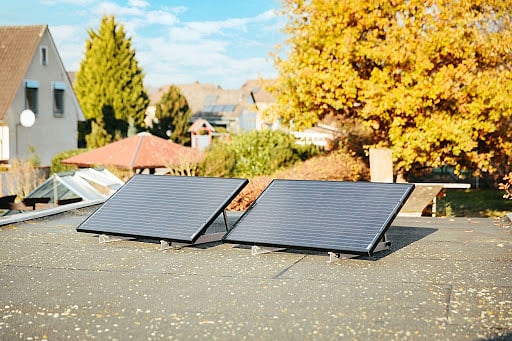
Rooftop Solar Panels: Fixtures permanently bolted onto roof trusses or tile framing (roof solar system homeowners insurance).
-
Ground-Mounted Arrays: Solar panel frames fixed to concrete foundations within property boundaries (ground-mounted solar home insurance).
-
Wired Hybrid Inverters: Wall-mounted units integrated into the main electrical distribution board (DB board)
-
Wall-Mounted Lithium Batteries: Fixed lithium iron phosphate (LiFePO4) battery banks wired directly to your inverter system.
2. Mobile / Plug-and-Play Systems
Non-fixed, portable alternative power solutions remain movable property. These items must be listed under your home contents policy to ensure cover against theft or household accidents.
-
Unfixed Trolley Inverters: Mobile inverter units on wheels connected via temporary wall sockets (off-grid inverter home insurance).
-
Portable Power Stations: Standalone compact battery blocks powering individual appliances or home workspaces.
-
Temporary Extension Setups: Loose wiring and portable distribution boxes not connected to the main DB board.
Note: Portable power setups used outside the insured property, such as lightweight foldable solar kits for camping or travelling, may require portable possessions cover. If the replacement value of the setup exceeds R4,000, it must be specified on the policy. Items valued below R4,000 are generally covered as unspecified portable possessions, subject to the policy terms and limits.
The Hardware Compliance & Verification Checklist You Need
Insurers require strict compliance checks before approving claims involving alternative energy installations. Follow this solar installation insurance compliance checklist to maintain valid cover:
-
Certificate of Compliance (CoC): Obtain an official electrical CoC issued by a registered installation electrician. Under the national standard SANS 10142-1, any low-voltage electrical work, including grid-tied, hybrid, or off-grid solar systems, must comply with strict safety parameters. Operating an uncertified installation voids your cover during a solar inverter insurance claim.
-
Sum Insured Adjustment: Notify your insurer immediately after installation. Increasing your property value ensures your homeowners insurance schedule accurately reflects the replacement cost of panels, inverters, and lithium batteries.
-
Surge Protection Devices (SPD): Fit Type 1 and Type 2 Surge Protection Devices on both the AC and DC distribution boards. Grid stability issues and high-voltage grid switching often cause severe electrical spikes; having verified solar inverter power surge cover ensures sensitive electronics are safeguarded against internal failure.
-
Manufacturer Warranty & Maintenance: Retain all original purchase invoices, system installation diagrams, and serial numbers. Ensure lithium battery management systems (BMS) and inverters receive periodic maintenance from accredited technicians.
Common Exclusions to Avoid
Understanding policy exclusions prevents unexpected home insurance claim rejection following an incident you thought would be covered. These include:
-
Unsecured Theft Risks: Outdoor panels must feature anti-theft mounting brackets, shear nuts, or adequate boundary security (such as functional electric fencing or beams). Panels stolen due to negligence may be excluded from solar panel home insurance cover.
-
Unqualified Workmanship: DIY setups or installations completed by unaccredited contractors lack valid compliance certification, which invalidates your policy.
-
Battery Degradation & Wear and Tear: Standard policies do not cover natural efficiency loss or chemical lifecycle degradation of lithium battery cells over extended usage. Cover applies to sudden, unforeseen physical damage rather than gradual wear (solar inverter damage replacement cover).
Frequently Asked Questions
-
Does homeowners insurance automatically cover new solar panels?
No. While rooftop solar panels fall under building insurance, you must update your policy's total sum insured to cover the added replacement value.
-
Do I need a Certificate of Compliance for my solar inverter?
Yes. A valid CoC issued under SANS 10142-1 by a registered electrician is legally required to validate claims involving electrical fires or power surges.
-
Are portable trolley inverters covered under building insurance?
No. Mobile trolley inverters and portable power stations are unfixed assets, meaning they must be insured under your home contents policy.
-
Does insurance cover inverter damage caused by power surges?
Yes, provided your policy includes surge cover and your DB board is fitted with accredited Surge Protection Devices (SPDs).
-
Will my home insurance premium increase after installing solar?
Your premium adjusts relative to the increased replacement value of your property, ensuring complete financial protection for high-value alternative energy hardware.
Safeguard Your Energy Investment with a Home Insurance Quote
Investing in solar power, hybrid inverters, and lithium batteries secures reliable electricity for your home, provided your policy keeps pace with these upgrades. Ensuring professional compliance, retaining a valid CoC, and correctly categorising fixed versus mobile hardware protects your financial security when filing a homeowners insurance solar inverter endorsement or claim. Cover your property against unexpected hazards, power surge events, and structural damage. Review your cover or get a quick homeowners insurance quote online to update your sum insured today.
Sources:
Disclaimer: The information in this article is provided for informational purposes only and should not be construed as financial, legal, or medical advice. Auto and General is a licensed non-life insurer and FSP, Ts & Cs online.