Pet Safety in South Africa: Essential Tips to Protect Your Pet Year-Round
health-and-home
Keeping Pets Safe Has Become a Bigger Responsibility
For many South African households, pets are more than companions. They are part of the family.
That emotional connection is exactly why pet safety matters so much. Whether it is a dog escaping through an open gate, a cat becoming injured outdoors, or a pet swallowing something dangerous inside the home, accidents can happen far quicker than most people expect.
As pet ownership continues growing across South Africa, many owners are becoming more aware of the everyday risks their pets face and the importance of preparing for unexpected situations before they happen.
Because protecting pets is not only about reacting during emergencies. It is also about prevention.
More Pets Are Going Missing Every Year
One of the biggest concerns for pet owners globally is the growing number of missing pets. According to research published by the American Humane Association, approximately one in three pets will become lost at some point during their lifetime. Studies also show that pets with identification and microchips are significantly more likely to be reunited with their owners.
Many pets go missing during:
-
Thunderstorms
-
Fireworks
-
Open gate incidents
-
Walks without proper restraints
-
Relocation or moving homes
-
Busy holiday periods
In South Africa, community social media groups and animal rescue organisations regularly report lost pets across suburbs and cities, highlighting how common these situations have become.
That is why preventative safety measures are becoming increasingly important for responsible pet owners. One of the most effective safety measures available today is microchipping.
What is Microchipping and Why it Matters
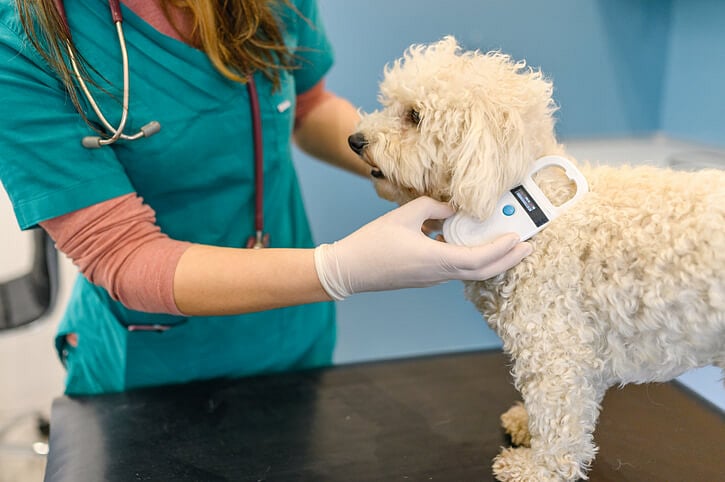
Collars and tags can fall off or become damaged. Microchips, however, provide permanent identification that can help veterinarians, shelters, and rescue organisations identify pets and contact owners directly.
According to the American Veterinary Medical Association, dogs and cats with microchips are significantly more likely to be reunited with their owners compared to pets without them.
A microchip is a very small electronic identification chip placed just beneath a pet’s skin, usually between the shoulder blades. The chip contains a unique identification number linked to the owner’s contact details in a registered database. If a lost pet is found, veterinarians, shelters, or rescue organisations can scan the chip and contact the owner directly. Unlike collars or tags that can fall off, a microchip provides permanent identification that stays with the pet long-term.
It is important to understand that a microchip is not a GPS tracker and cannot provide live location tracking. Instead, it acts as a permanent digital identification tool designed to help improve the chances of reconnecting lost pets with their families.
Microchipping does not replace supervision or proper pet safety habits, but it can become extremely valuable during emergencies.
Because sometimes a small preventative step can make a life-changing difference.
While outdoor safety risks often receive the most attention, many pet emergencies actually happen inside the home during normal daily routines.
Everyday Household Risks Many Owners Overlook
Pet dangers are not limited to outdoor environments. Many emergencies happen inside the home during ordinary daily routines.
Common household risks include:
-
Toxic foods such as chocolate, grapes, onions, and xylitol
-
Cleaning chemicals and detergents
-
Electrical cords
-
Open swimming pools
-
Small objects that can be swallowed
-
Human medication left within reach
According to PetMD, accidental poisoning and ingestion remain among the more common emergency situations treated by veterinarians globally.
That is why creating a safer home environment can play an important role in reducing avoidable emergencies.
Of course, awareness alone is not enough. Daily habits and preventative actions also play an important role in helping pets stay safe long-term.
Practical Pet Safety Tips for South African Owners
Keeping pets safe often comes down to consistent habits and preparation.
Keep Identification Updated
Ensure collars, tags, and microchip information remain accurate if you move homes or change contact details.
Secure Gates and Fencing
Many pets escape through damaged fences, loose gates, or open driveways.
Supervise Pets During Storms and Fireworks
Loud noises can trigger panic responses that cause pets to run away unexpectedly.
Store Harmful Items Safely
Cleaning products, medication, and toxic foods should always remain out of reach.
Prioritise Regular Vet Check-Ups
Routine healthcare visits may help identify medical concerns before they become severe.
As pets grow older, preventative healthcare and early intervention often become even more important.
Even with strong preventative care, however, accidents and illnesses can still happen unexpectedly. That is where financial preparedness may help reduce stress during emergencies.
Why Pet Insurance Can Help During Emergencies
Emergency surgery, scans, medication, overnight observation, and specialist treatment can become expensive very quickly. For many households, these unexpected costs create financial pressure during already emotional situations.
Pet insurance helps owners prepare for qualifying veterinary costs linked to accidents, illnesses, and medical emergencies depending on the selected policy and cover.
That financial support can help owners focus more on getting care for their pets rather than worrying only about immediate costs.
Pet care also extends beyond emergencies alone. Long-term wellbeing, preventative healthcare, and healthy living environments all contribute to a safer and healthier life for pets.
Pet Safety Is Also About Long-Term Care
Protecting pets is not only about preventing accidents. It also involves supporting their long-term wellbeing through proper nutrition, exercise, healthcare, mental stimulation, and safe living environments.
As pets age, they may become more vulnerable to chronic conditions, joint problems, reduced mobility, or illness. Early treatment and regular veterinary care can help improve quality of life over time.
That is one of the reasons more South Africans are beginning to think proactively about pet healthcare planning rather than waiting for emergencies to happen first.
Modern households are also increasingly looking for broader protection solutions that support different aspects of daily life beyond pet care alone.
More Than Just Pet Insurance
At Auto & General, we understand that modern protection extends beyond vehicles alone.
South Africans are increasingly looking for ways to protect different parts of their lives, including their homes, businesses, vehicles, and pets. That is why we continue providing insurance solutions designed around real-world needs and everyday risks.
From comprehensive car insurance and warranty cover to business insurance and pet insurance, our goal remains the same.
We aim to help South Africans prepare for the unexpected with practical support and reliable protection.
Ultimately, pet safety comes down to responsibility, preparation, and the small decisions owners make every day to protect the animals that trust them.
Protecting the Pets That Trust Us
Pets depend entirely on people for safety, comfort, and care. That responsibility goes beyond food and shelter. It also includes preparing for emergencies, reducing preventable risks, and planning for unexpected healthcare needs before problems arise.
At Auto and General, we continue supporting South African pet owners with practical insurance solutions designed to help protect what matters most.
Because pet safety is not only about reacting when something goes wrong. It is about creating safer lives from the beginning.
Disclaimer: Auto and General is a licensed non-life insurer and financial services provider. Our content is written by a Compare the Market expert, backed by data and enhanced by AI. The information contained in this article is provided for informational purposes only and should not be construed as financial, medical or legal advice. Terms and Conditions Online.
FAQs
Why is pet safety important?
Pet safety helps reduce the risk of accidents, illness, injury, poisoning, and pets going missing. Preventative safety measures can help protect pets and improve their long-term wellbeing.
What is a microchip for pets?
A pet microchip is a small electronic identification chip inserted beneath a pet’s skin by a veterinarian. It stores a unique ID number linked to the owner’s contact information in a database. If a lost pet is found, the chip can be scanned to help reunite the pet with its owner.
Is a pet microchip a GPS tracker?
No. A microchip is not a GPS tracking device and cannot show a pet’s live location. It works as a permanent identification tool that helps shelters and veterinarians identify lost pets and contact their owners.
What are common household dangers for pets?
Common household dangers include toxic foods, cleaning chemicals, medication, electrical cords, swimming pools, and small objects that pets may swallow.
How can I stop my pet from going missing?
Keeping gates secure, supervising pets during storms or fireworks, using identification tags, and microchipping pets can all help reduce the risk of pets going missing.
How does pet insurance help?
Pet insurance helps owners manage qualifying veterinary expenses linked to accidents, illness, emergency treatment, surgery, and other covered medical situations depending on the selected policy.
Why choose Auto and General Pet Insurance?
Auto and General combines decades of insurance experience with practical protection solutions designed to help South Africans prepare for life’s unexpected moments, including pet-related emergencies and healthcare costs.